

Frequently Asked Questions
Please check this.
- Q: Do I need any vaccinations?
- Q: What should I bring?
- Q: What is the weather like, and what should I wear?
- Q: Communications: can I make international calls and use email?
- Q: Can I bring my mobile phone and laptop?
- Q: Electricity: what sort of power adaptor should I bring?
- Q: What sort of food is available?
- Q: Can PM cater for vegetarians and people with special dietary requirements?
- Q: Are there any religious or cultural norms that I need to observe?
- Q: Is tipping customary?
- Q: Before your departure
- Q: What to Wear
Do I need any vaccinations?
Vaccination certificates are generally not required for entry to Myanmar. However we advise our clients to consult their doctor to discuss travel vaccinations, ideally 4-6 weeks before embarking on their journey. We also suggest that you speak with your doctor if you have any other health concerns, are pregnant, or would like further information about health-related travel matters.
What should I bring?
When you come to Myanmar you may want to bring:
- Sun protection for your face and body (e.g., hat, sunglasses and sunscreen)
- Insect repellent. We recommend using a cream that contains DEET
- A small flashlight
- Extra passport photos
- Power adaptor
- Travelers' first-aid kit
What is the weather like, and what should I wear?
The weather in Myanmar will vary according to where you go, and when. In places such as Yangon, the weather can be a little hot and humid, so light, comfortable clothing may be appropriate. However in some of the mountainous regions the temperature can drop to near freezing during the night. In such cases, we suggest that our clients bring warm clothing. When you book your itinerary Grand Lotus will provide you with further information about clothing you should bring.
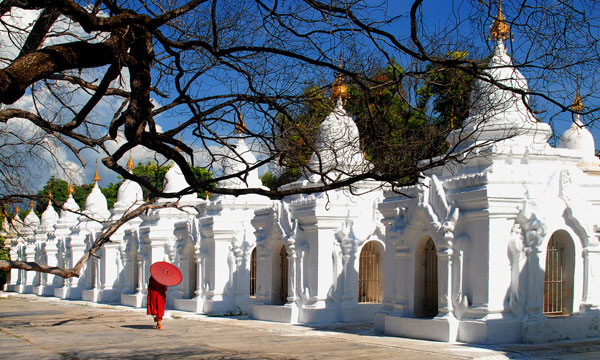
For convenience, when visiting religious sites such as temples and monasteries, we suggest that our clients wear light footwear that can easily be removed (e.g., sandals or thongs). Also, people in Myanmar are devoutly religious, and we ask that you remember to dress conservatively by avoiding suggestive or revealing attire (e.g., tank tops, tight clothing, shorts and short skirts.)
Communications: can I make international calls and use email?
All of the hotels that we use provide international telephone, fax and postal services. However these can be quite expensive. Internet access and wife services is readily available at these hotels, other restaurants and some touristic area . If you ever require assistance, Panoramic Myanmar staff will always be ready to assist you.
Can I bring my mobile phone and laptop?
Mobile phones from other countries will not operate in Myanmar. If you require a cell phone, please contact Panoramic Myanmar Tours and we will organize to hire one for you while you are in Myanmar upon your arrival. (Please give at least 7 days' notice).
Electricity: what sort of power adaptor should I bring?
Myanmar uses 230-volt AC (50 Hz) electricity, and 24-hour electricity is available in [All? Most?] of the hotels that we use. We suggest bringing a universal power adapter with a surge protector such as [this: http://www.bixnet.com/intrpoad.html ]
What sort of food is available?
Myanmar offers a wide variety of cuisine, each ethnic group having their own traditional dishes. However at the heart of any meal in Myanmar you will almost inevitably find rice. Rice is the staple of the diet in Myanmar, and is eaten with meat, fish and vegetable curries (which tend to be mild), and is also used to make noodles, sweet cakes, and other dishes. Chinese, Thai, and Indian foods are also available at most major tourist destinations, and Western and International foods at major hotels.
Can PM cater for vegetarians and people with special dietary requirements?
We advise clients to drink purified bottled water. Bottled water is readily available at all of the hotels that we use, and Panoramic Myanmar staff also carry an additional supply on-hand at all times.
Are there any religious or cultural norms that I need to observe?
People in Myanmar are predominantly Buddhist, and it is important to respect religious and cultural norms. In Buddhist culture, the head is deemed to be the seat of the soul, so it is important to avoid touching people's heads (even those of small children). The corollary of this is that the feet are somewhat less sacred, and it is considered offensive to point your feet at someone.
From time to time, our tour guides may remind you to remove your footwear (including socks) before entering religious sites such as pagodas and monasteries. Shoes, but not necessarily socks, should also be taken off before entering private homes as well.
People in Myanmar are deeply religious, and many of the traditions and customs that have been passed down over many generations are quite conservative. Please dress with respect for the local culture by avoiding suggestive or revealing attire, and refraining from public displays of affection. Special customs also apply to monks and novices, who must at all times avoid physical contact with women.
Is tipping customary?
Tipping is becoming more customary in Myanmar. If you would like to express your gratitude to a waiter, porter, guide or driver, feel free to show them your appreciation by giving them a small tip - you can be sure that they will be very grateful for it.
Before your departure
Items to bring should include:
- Hat, sun glasses and any other sun protection for your face and body
- Prescription medicines
- Insect repellent
- Umbrella April to October
- Antibiotic cream for minor cuts and scratches
- Extra pair of prescription glasses
- Small flashlight
- Extra passport photos
What to Wear
Warm weather clothing is quite adequate for most of Myanmar, although the up country mountain areas of Inie Lake and other higher elevation areas may drop to near freezing at night during the 'winter' season. Travelers should bring appropriate cold weather clothing in such cases. However, even after a cold night, by mid morning the temperature is again quite pleasant. Suggestive or revealing clothing is never a good idea in this conservative and largely Buddhist culture. When visiting religious shrines and temples, modest dress is required and easily removable footwear is highly recommended as sacred grounds must be visited only in barefeet (no socks). Hats and sunglasses are usually appreciated, as is an umbrella for the rainy season.
- Light, casual cotton wear because of hot weather
- A cardigan or light jerkin, when visiting northern Myanmar in the cold season
- An umbrella during the rainy season
- Umbrella April to October
- Sandals or slippers
- Quick drying clothes are recommended if you visit during the rainy season or Thingyan. The dress code for pagodas and monasteries prescribe decent apparel, with no footwear is allowed when visiting pagodas and monasteries.
